Etyek-Buda wine region

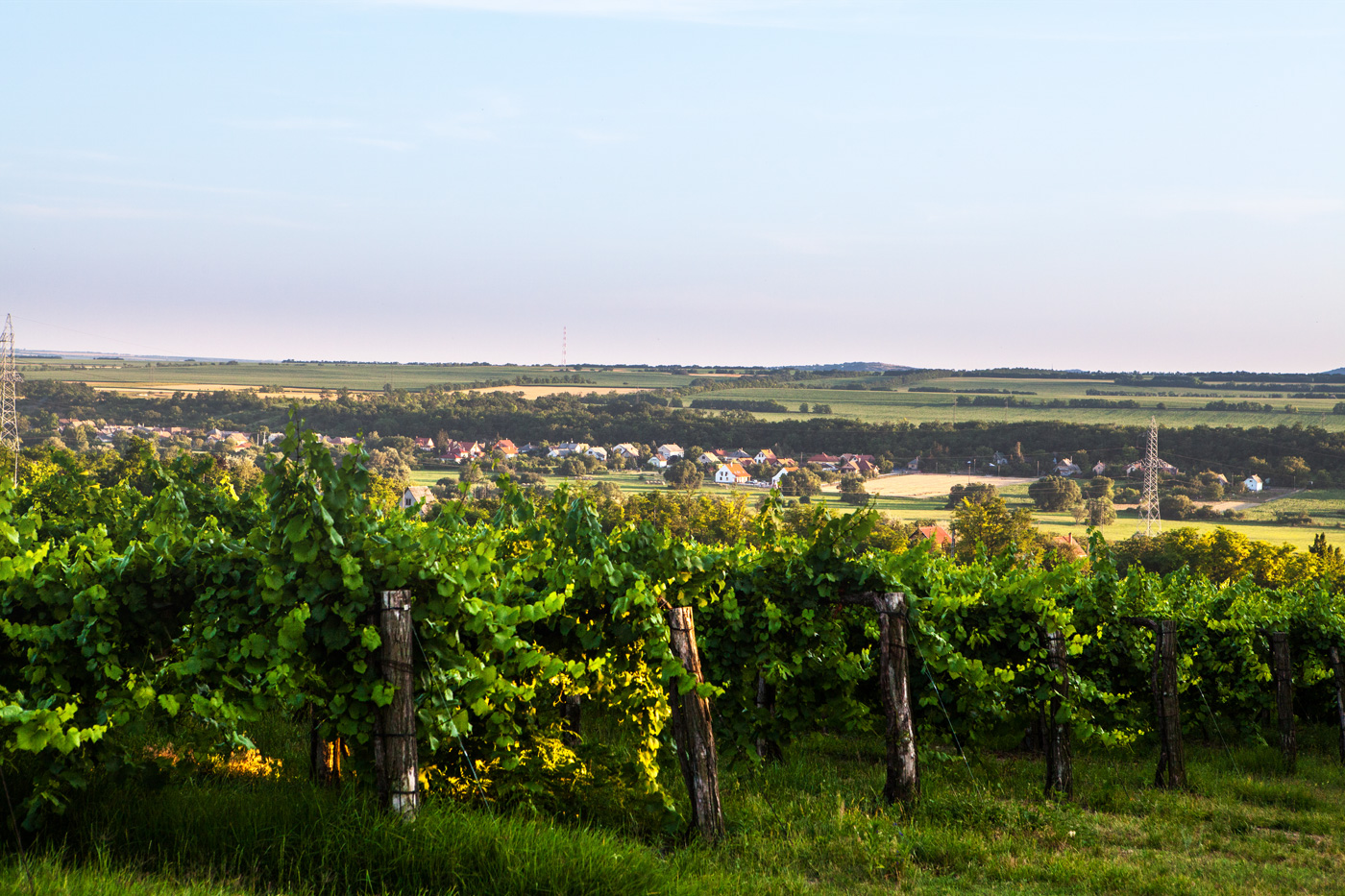
The Etyek-Buda wine region covers about 5632 hectares in the Etyek hills on the northeastern edge of Fejér county. On the plateaus of the hills, blessed with abundant but abundant sunshine, among the unique ecological conditions, there is a limestone-based wine base with a good acid structure on the forest soil.

About Kajászó

The Huns, who attacked the Roman Empire from the east, crossed the Danube in what is now the Százhalombatta area, and there was a significant battle in the nearby Tárnok Valley. The Hun leader Keve, who was said to be buried here, also fell in the battle.
The name of the settlement can also be derived from this: originally Keveháza, then Keveaszó (Cuwe azoa, Keueozou), later Keazó, finally Kajászó with today’s pronunciation.

Kajászó is a very ancient settlement: according to the excavations, it was already inhabited around 1600 BC. During the Roman Empire, it was also inhabited as a settlement in the province of Pannonia, as evidenced by Roman remains.


“Etyek, the vineyard of Budapest” – the area was already used for viticulture in Roman times. We can also read about the wine production of the Buda hills in the 13th century charters, even then it was the main source of livelihood for the people living in the area.
The tradition of viticulture known today can be traced back to the early 1700s, when German vineyards were established in the village after the expulsion of the Turks.
Most of the conditions of the wine region are compared to Champagne, which József Törley also noticed, and based on the vineyards here he made his brewery world-famous.

Prince József also worked on the estates of Alcsútdoboz near Etyek, in the associated areas of Göbölbuszt and in the wine cellar here – currently owned by the Etyek Mansion – farmers from Etyek. Today, only 120 of the 1,000 wine cellars are in operation, forming a protected row of cellars in two places.

Let's meet on social media